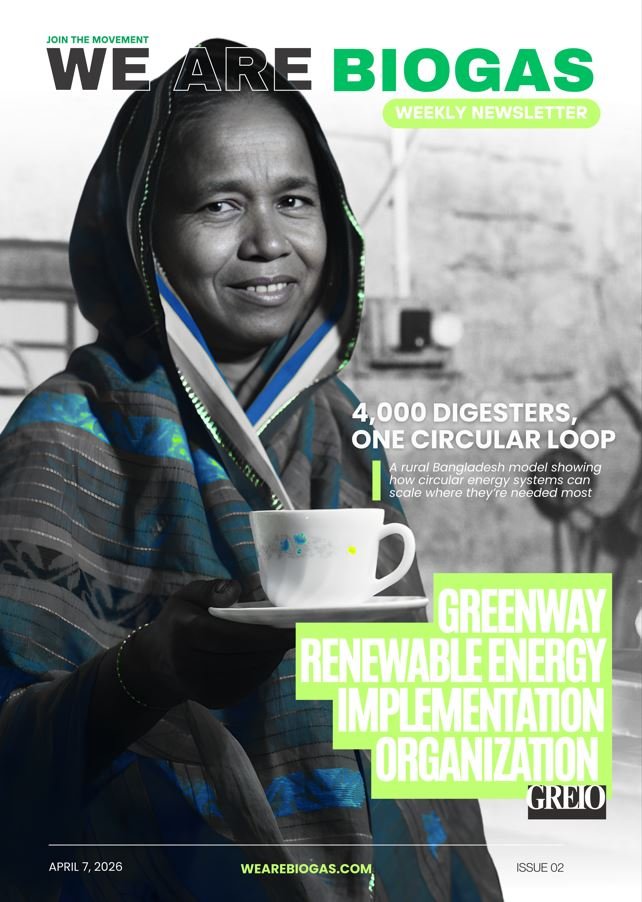
4,000 DIGESTERS, ONE CIRCULAR LOOP
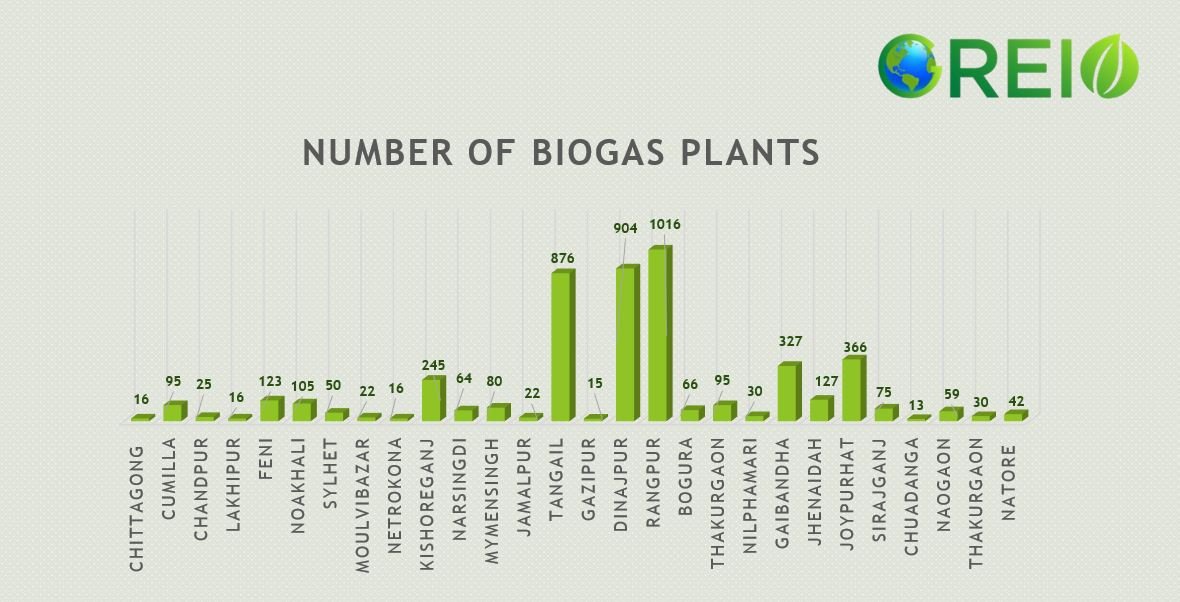
Before dawn in rural Bangladesh, before the children wake, before the farm demands anything of her, Meena Begum used to go looking for wood. It was never a short walk. And it was never just wood. It was the hours she would never get back. Hours scraped from the beginning and end of every day, her body bent under the weight of what she’d gathered, returning home to a kitchen that would fill with smoke before the first meal was even cooked. The smoke wasn’t incidental. It was the condition of eating. Of survival. For millions of women across rural Bangladesh, it still is. This is the reality that Md. Ashrafuzzaman Ashraf set out to change by establishing Greenway Renewable Energy Implementation Organization (GREIO), not just the smoke, but the entire interlocking system of poverty, labor, and environmental strain that produced it. From the beginning, he understood that solving one part of the problem required addressing the whole system. That insight, deceptively simple yet structurally powerful, has driven the installation of over 4,000 household biogas systems across 27 districts of Bangladesh. These systems are collectively returning hundreds of thousands of hours of time, improving indoor air quality, and restoring soil health for the farmers who need it most. GREIO works primarily with low-income rural households, particularly small livestock farmers, who are at the center of this energy–agriculture transition. To understand the necessity of GREIO’s work, you must grasp the structural weight of what rural Bangladeshi families manage every single day. The traditional hearth relies on firewood, crop residues, and dried cow dung. It’s far from romantic or pastoral; it’s a system with real costs, paid with real lives. Women and children breathe smoke with every meal, often in poorly ventilated rooms, year after year. The damage accumulates slowly, surfacing in chronic respiratory problems decades later. Collecting fuel takes hours, mostly shouldered by women, hours that could otherwise be spent in school, childcare, or small income-generating activities that might lift families out of subsistence. And beneath it all, the environmental toll grows. Every tree felled for cooking fuel is one fewer standing. Every pile of unmanaged livestock waste, left to decompose in the open, releases methane into an already overburdened atmosphere.